Michael Jackson did not merely produce promotional music videos during his legendary career.
He systematically elevated the entire medium into a sophisticated storytelling art form that forever redefined global pop culture.
Recent analysis of his visual mastery highlights how the entertainer approached every video as a full cinematic narrative.
Rather than relying on simple performance clips, he treated music videos as miniature Hollywood feature films.
This visionary approach transformed visual pop culture and established a permanent blueprint for modern artists worldwide.
The watershed moment arrived when MTV finally aired the groundbreaking short film for Thriller.
That monumental release effectively forced the network to integrate Black artists into its regular rotation.
It simultaneously proved that music videos could command Hollywood-level budgets, technical precision, and intense cultural attention.
Jackson collaborated with legendary film directors including John Landis and Martin Scorsese to bring his ambitious visions to life.
His uncompromising insistence on strict narrative structure turned short-form music videos into gripping theatrical experiences.
Choreography was never utilized as mere background decoration in his creative universe.
Instead, dance served as an essential narrative language that communicated character development, tension, and emotion.
The production values he demanded rivaled any major motion picture playing in commercial theaters at the time.
Key elements of his visual strategy included elaborate costume design and dramatic character transformations.
He orchestrated the strategic release of his short films as massive international cultural events that stopped the world.
The technical innovations he required from cinematographers pushed the boundaries of camera movement, lighting, and special effects.
The profound influence of his visual work continues to reverberate across contemporary fashion, film editing, and music production.
Avoiding all personal speculation, this examination focuses purely on his artistic craft and visionary impact.
The Historical Watershed of Thriller and MTV Integration
The release of the mini-movie for Thriller remains one of the most critical turning points in modern entertainment history.
Before its premiere, music television networks maintained rigid programming boundaries that severely limited minority representation.
The massive cultural gravity of the project made it impossible for MTV executives to ignore its historic artistic importance.
By breaking down racial barriers on television, Jackson opened doors for countless Black musicians across subsequent generations.
The production budget shattered existing industry standards, proving that short-form videos deserved serious financial investment.
John Landis directed the ambitious zombie-themed epic with theatrical precision and cinematic pacing.
Audiences tuned in by the millions, turning a standard promotional video into a global communal event.
The project permanently altered how record labels marketed new singles to international audiences.
Collaborating With Legendary Hollywood Directors
Jackson understood that realizing his grand cinematic visions required partnering with elite filmmakers from the feature film world.
He famously teamed up with director John Landis to craft the cinematic horror-comedy masterpiece of the 1980s.
Later, he collaborated with acclaimed director Martin Scorsese to create the gritty, long-form music video for Bad.
These partnerships brought Hollywood-level storytelling techniques directly into the realm of popular music programming.
Directors were given the freedom to explore complex themes, dark moods, and intricate character arcs within tight timeframes.
The resulting works blended pop music accessibility with high-art cinematic framing and dramatic tension.
This cross-pollination between film directors and pop superstars raised the artistic bar for the entire entertainment industry.
Future musicians quickly realized that cinematic collaboration was the ultimate key to cultural longevity.
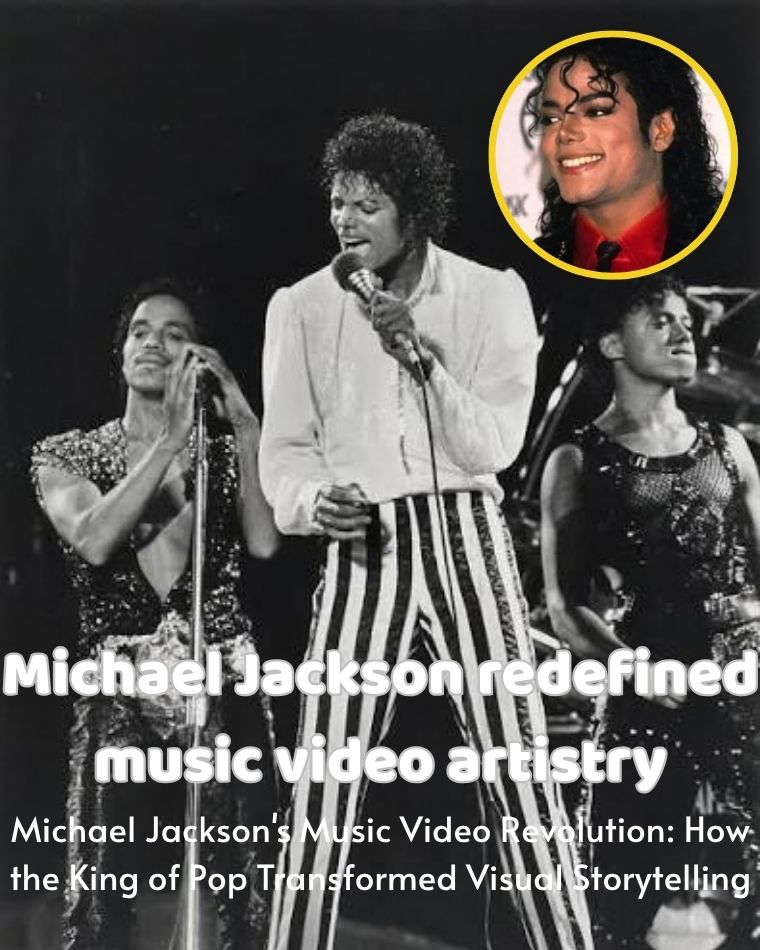
Cre: Epic Records / Sony Music
Choreography as Essential Narrative Language
In Michael Jackson’s artistic universe, dance was never treated as an afterthought or mere background accompaniment.
Every step, gesture, and formation functioned as an essential narrative language that drove the story forward.
Choreography served as direct character development, revealing inner turmoil, confidence, or defiance without a single spoken word.
The iconic zombie shuffle in Thriller defined a generation of pop culture choreography and Halloween traditions.
The razor-sharp precision in Smooth Criminal showcased physical storytelling at its absolute highest technical level.
Dancers were cast not just for their technical proficiency, but for their ability to embody specific dramatic characters.
This integration of movement and narrative ensured that viewers remained emotionally invested from the first frame to the last.
The physical vocabulary he created continues to influence professional dancers and choreographers across the globe today.
Unprecedented Production Values and Hollywood Budgets
The financial backing commanded by Jackson’s projects allowed production designers to build elaborate, hyper-detailed sets from scratch.
Special effects teams were pushed to their absolute limits to deliver movie-quality practical magic and digital enhancements.
Lighting technicians utilized dramatic noir framing and vibrant color palettes to establish distinct emotional atmospheres.
Costume designers crafted iconic wardrobes that instantly became recognizable symbols of twentieth-century pop culture.
Every technical department operated with the rigorous discipline of a major studio feature film crew.
This uncompromising commitment to excellence ensured that the final product looked expensive, polished, and timeless.
Viewers accustomed to basic performance clips were suddenly treated to breathtaking visual spectacles on their home televisions.
The economic model of music videos changed forever as record companies rushed to match his lavish production standards.
The Strategic Release of Music Videos as Global Events
Jackson mastered the art of turning a simple music video premiere into a massive international media event.
Television networks would broadcast special countdowns and exclusive behind-the-scenes documentaries ahead of a major release.
Millions of households tuned in simultaneously to witness the debut of his latest visual creation.
This strategic anticipation built unprecedented hype that naturally translated into record-breaking single and album sales.
The music video became the primary promotional engine of the global music industry throughout the late twentieth century.
Competitors scrambled to replicate his rollout strategy, transforming ordinary Tuesday nights into cultural holidays.
The shared viewing experience united diverse demographics across international borders in awe of his latest spectacle.
His visionary marketing instincts proved that anticipation is just as powerful as the artistic content itself.
Pushing Technical Innovations in Cinematography
The technical demands placed on cinematographers by Jackson’s ambitious concepts resulted in groundbreaking camera innovations.
Camera operators utilized complex crane shots, fluid tracking movements, and rapid editing to maintain relentless visual momentum.
Specialized lenses and innovative lighting rigs were custom-built to capture his dynamic movements in low-light environments.
The integration of visual effects laid early groundwork for modern digital compositing techniques in commercial media.
Editors worked feverishly to ensure that rhythmic cuts synced flawlessly with the underlying musical percussion.
This meticulous attention to technical detail separated his work from standard television broadcast standards.
Cinematographers frequently cited working with him as the ultimate professional test of their technical capabilities.
The innovations pioneered during these shoots permanently upgraded the technological toolkit available to future filmmakers.
Costumes and Transformation as Storytelling Devices
Costume design in Jackson’s visual portfolio functioned as a vital narrative shortcut for establishing character identity immediately.
The iconic red leather jacket in Beat It signified youthful toughness and urban street loyalty.
The fedora and tailored suit in Smooth Criminal evoked classic 1930s noir gangster cinema with modern flair.
Transformation sequences, whether turning into a werewolf or morphing through various global ethnicities, explored themes of identity.
Every wardrobe choice was meticulously calculated to enhance the emotional stakes of the unfolding storyline.
Fashion designers collaborated closely with the artist to ensure his stage and screen looks set global trends.
These striking visual silhouettes became etched into the collective memory of millions of dedicated fans.
The intersection of high fashion and narrative storytelling reached new heights under his creative direction.
Lasting Influence on Contemporary Artists and Fashion
Decades after their initial release, Michael Jackson’s visual masterpieces continue to serve as required study for modern musicians.
Contemporary pop superstars frequently pay direct homage to his iconic choreography, wardrobe, and framing choices in their own projects.
Directors of modern music videos credit his cinematic ambition as the inspiration for narrative-driven pop visual art.
The fashion industry regularly revisits his signature wardrobe pieces on high-end runways and editorial spreads.
Streaming platforms report millions of ongoing views for his classic short films, proving their enduring generational appeal.
His refusal to accept artistic boundaries opened the door for future artists to treat music videos as high art.
The cultural footprint he left behind remains as vibrant and influential as the day his revolutionary videos first aired.
His artistic DNA lives on in every modern pop star who dares to dream on a cinematic scale.
Crafting a Permanent Cinematic Legacy
Reflecting on the comprehensive visual catalog left behind by Michael Jackson reveals an artist of peerless dedication and vision.
He took a modest promotional medium and injected it with the soul, ambition, and scale of Hollywood cinema.
His refusal to compromise on artistic excellence transformed how the world consumes and appreciates popular music.
Every frame of his iconic short films radiates a deep love for storytelling, performance, and technical mastery.
As future generations discover his legendary catalog online, the brilliance of his vision shines brighter than ever.
He proved that popular entertainment can possess profound artistic depth when guided by a brilliant creative mind.
His legacy as a master of visual art remains untouched and universally revered across the global entertainment landscape.
The cinematic standard he established will forever remain the pinnacle of modern music video achievement.
The Ultimate Visionary of Visual Pop Culture
The extraordinary journey of Michael Jackson’s visual artistry demonstrates what is possible when boundless imagination meets elite execution.
He permanently bridged the gap between popular music and high-concept cinematic filmmaking for millions of viewers.
His enduring influence on directors, choreographers, and performers ensures that his creative spirit will never fade.
The Masterclass he provided through his short films changed the trajectory of global entertainment history forever.
Fans and scholars will continue analyzing his innovative techniques for generations to come.
His name stands proudly as the ultimate architect of the modern music video era.
The cinematic worlds he built on screen continue to invite new audiences into a realm of pure wonder.
The magic of his vision remains an eternal gift to the history of human creative expression.
Để lại một phản hồi