Actor Daniel Radcliffe established an enduring partnership with The Trevor Project long before recent public discourse thrust celebrity advocacy into mainstream debate.
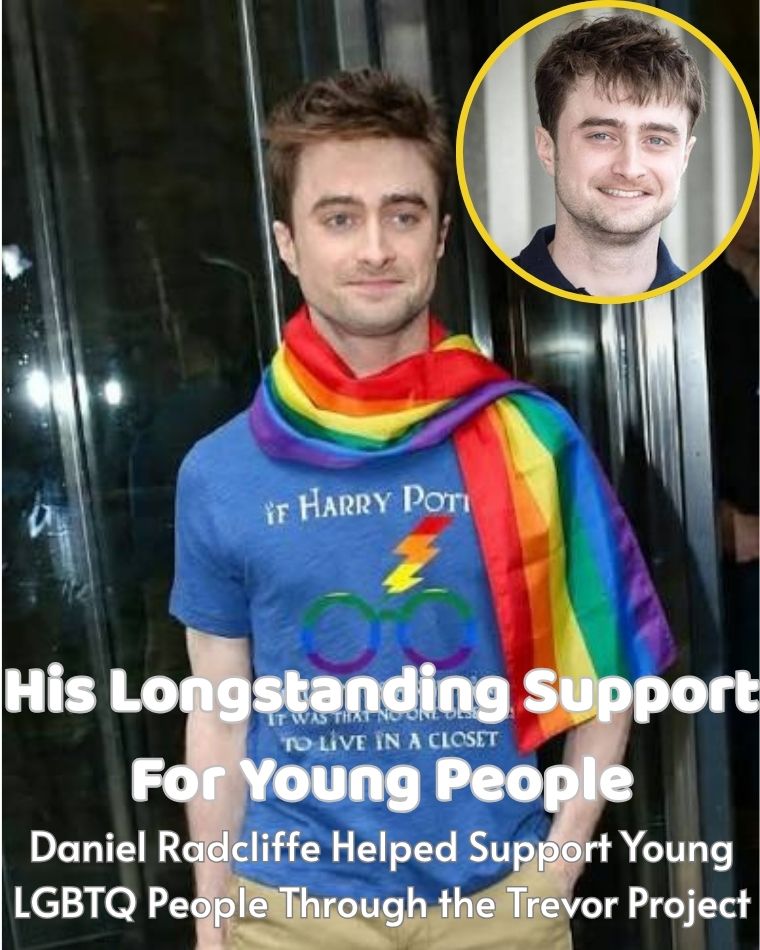
Through targeted educational outreach, public service campaigns, and formal recognition at the 2011 TrevorLIVE gala, his early work helped bring critical resources to LGBTQ youth facing crisis.
Founded in 1998, The Trevor Project is an American nonprofit organization dedicated to crisis intervention and suicide prevention for lesbian, gay, bisexual, transgender, queer, and questioning young people.
The organization emerged out of an urgent need for specialized crisis counseling tailored specifically to young people navigating identity, social stigma, and institutional rejection.
Its cornerstone service, the free and confidential TrevorLifeline, established a 24-hour telephone helpline connecting distressed youth directly to trained counselors across the United States.
Over the decades, the nonprofit systematically expanded its technological infrastructure to include digital text messaging, secure online chat programs, and educational workshops designed for schools and community leaders.
Through these programs, the organization seeks to provide accessible, judgment-free spaces that reduce rates of self-harm and peer alienation.
Understanding the scope of this mission requires recognizing that LGBTQ youth often confront distinct mental health challenges stemming from systemic rejection rather than innate vulnerability.
Research published by crisis intervention specialists indicates that affirming environments dramatically diminish suicide risk among vulnerable adolescents.
Because societal stigma can alienate teenagers from traditional support structures, community-based helplines serve as essential safety nets.
In an era before inclusive resources were ubiquitous online, connecting young individuals with informed counselors proved vital for adolescent survival and emotional well-being.
The organization continues to monitor shifting societal needs while sustaining around-the-clock availability for individuals in need of urgent intervention.
To maintain these operations, The Trevor Project relies extensively on public awareness efforts, institutional partnerships, and dedicated community advocates.
Cre: Wikimedia Commons
Daniel Radcliffe began his formal collaboration with The Trevor Project in 2009, during the height of his international visibility as a young actor.
At that stage of his career, he sought opportunities to use his platform responsibly, focusing on issues of equity, respect, and youth safety.
His initial contribution involved filming public service announcements aimed at introducing young people to the confidential hotline.
Radcliffe emphasized that asking for help is a sign of strength rather than defeat, addressing audiences that might feel entirely isolated.
He also took the step of visiting the organization’s call center facilities in New York City in February 2010 to observe counseling workflows firsthand.
During those visits, the actor met with staff members and volunteer operators who managed day-to-day incoming calls from across the nation.
Observing the intense preparation required of crisis operators deeply informed his public remarks going forward.
Rather than framing his involvement around his personal brand, he routinely redirected media attention toward the specific services provided by the organization.
His public service materials aired across diverse television and web channels, broadening the reach of the helpline beyond conventional urban hubs.
Radcliffe frequently pointed out that prejudice against sexual and gender minorities harms not just individuals, but whole communities.
He called upon peers, educators, and families to foster home and school environments where every teenager feels valued and protected.
His involvement helped demystify the process of reaching out to a mental health professional for adolescent audiences.
Advocates noted that having a high-profile figure speak openly about emotional distress made seeking help feel less stigmatized for young fans worldwide.
Crucially, his support was marked by operational engagement and educational messaging rather than sporadic red-carpet endorsements.
By grounding his message in established nonprofit practices, Radcliffe contributed to expanding awareness of peer-support systems and anti-bullying education.
In recognition of his ongoing dedication, The Trevor Project announced in March 2011 that Radcliffe would receive its prestigious Hero Award.
The award honors influential figures who actively inspire LGBTQ youth and champion equality through sustained public advocacy.
Previous recipients included community leaders, artists, and philanthropists who used their visibility to protect vulnerable populations.
The formal presentation occurred on June 27, 2011, during the annual TrevorLIVE benefit event held at Capitale in New York City.
The gathering brought together community activists, cultural figures, and corporate supporters to generate funding for suicide prevention initiatives.
In his acceptance speech, Radcliffe accepted the tribute with profound humility, deflecting praise away from himself.
He insisted that the true heroes of the organization are the trained volunteers and staff members answering the phones day and night.
He praised the counselors who sit at desks, manage delicate crisis calls, and literally save lives every single shift.
Radcliffe described their daily compassion and professionalism as an extraordinary service that outshines any public figure’s occasional appearances.
He reiterated that raising awareness about life-saving hotlines is a civic responsibility that any ally with a public voice should readily undertake.
The ceremony served as a focal point for the organization’s ongoing fundraising and donor outreach strategies.
Major corporate entities and independent donors gathered at the gala to support the maintenance of nationwide suicide prevention hotlines.
Organizers praised Radcliffe’s consistency, noting that his public endorsements had directed tens of thousands of young people toward trusted informational resources.
The 2011 award marked a significant organizational milestone, documenting the formal alliance between mainstream artistic figures and specialized youth crisis care.
It reinforced the legitimacy of non-judgmental telephone assistance programs at a time when digital communications were rapidly evolving.
Radcliffe’s public comments throughout this period followed a disciplined ethical framework rooted in respect and attentive listening.
He avoided sensationalizing the struggles of queer youth, focusing instead on structural barriers to health care and social acceptance.
In interviews, he regularly noted that growing up in the public eye gave him a distinct awareness of how media messages shape personal identity.
He maintained that young people deserve safe, stable spaces where they can explore who they are without fear of violence or rejection.
He articulated that allyship requires more than passive sympathy; it demands tangible public support for accredited organizational services.
Radcliffe consistently declined to frame his charitable participation as heroic, often highlighting that he was merely one of many allies lending a voice.
His public statements reinforced the notion that mental health resources must remain secular, accessible, and completely confidential.
By articulating these principles plainly, he contributed to a cultural shift among mainstream youth audiences.
His message underscored the vital role of empathetic listening within families, schools, and local communities.
He pointed out that suicide prevention starts with basic dignity, validating another human being’s existence without conditional barriers.
This consistent framing gave his advocacy credibility among practitioners in the crisis intervention sector.
Instead of participating in fleeting viral trends, he returned repeatedly to the concrete resources provided by The Trevor Project’s hotlines and digital networks.
His voice was particularly influential among young fans of literature and film who were wrestling with their own identities in unsupportive environments.
He modeled a respectful, steady approach to allyship that prioritized institutional expertise over celebrity visibility.
These verified historical statements demonstrate an advocacy model built upon institutional trust, professional boundaries, and unwavering focus on youth protection.
In subsequent years, public discussions surrounding Daniel Radcliffe often became entangled with broader media debates regarding gender identity and literary creators.
In June 2020, Radcliffe published an essay on The Trevor Project’s website that responded to widely publicized remarks regarding transgender identity.
Mainstream news outlets frequently framed this exchange as a personal dispute between high-profile cultural personalities.
However, Radcliffe made explicit efforts within the text to reject that framing, explaining that personal conflict was neither the topic nor the priority.
The published essay was deliberately hosted on The Trevor Project’s educational platform to anchor the conversation in youth mental health and clinical facts.
Radcliffe pointed to established professional guidance from major medical associations regarding the necessity of affirming transgender lives.
He expressed concern that hostile public rhetoric could undermine vulnerable young people who already faced high risks of discrimination and mental health crises.
Crucially, the historical record demonstrates that this 2020 essay was not an isolated gesture or a spontaneous reaction to social media debate.
It represented the continuation of an organizational relationship that had begun more than a decade earlier.
Understanding his advocacy within its actual historical timeline prevents the reduction of substantive nonprofit work to ephemeral media sensationalism.
Radcliffe had already spent years participating in Trevor Project public service announcements, visiting call centers, and accepting honors on behalf of suicide prevention counselors.
The institutional partnership was grounded in a sustained commitment to adolescent safety, not reactive public relations.
His alignment with the organization remained consistent with the values he articulated during his 2011 Hero Award acceptance speech.
Distinguishing this documented history from later viral controversies is essential for objective journalism.
It highlights the difference between genuine, longitudinal nonprofit support and surface-level media controversy.
Long-term celebrity advocacy often faces public skepticism, with critics questioning the depth and authenticity of high-profile philanthropic engagements.
Yet the documented timeline of Daniel Radcliffe’s partnership with The Trevor Project illustrates a model that favors operational support over theatrical displays.
Rather than attempting to reinvent community organizing, Radcliffe partnered directly with established subject-matter experts who understand suicide intervention protocols.
He utilized his visibility to amplify verified resources, driving attention to trained professionals who operate crisis lifelines around the clock.
The durability of this relationship demonstrates how public figures can effectively contribute to humanitarian causes without overshadowing the mission itself.
By centering the volunteers, counselors, and young people, Radcliffe maintained an advocacy posture characterized by respect, humility, and steady consistency.
The 2011 Hero Award remains an official milestone celebrating that grounded philosophy.
As organizations continue to address crisis intervention challenges in an increasingly complex digital landscape, the history of this collaboration offers a valuable case study.
It reveals that effective advocacy is measured not by headlines, but by the tangible resources delivered to young people when they need them most.
Sustained partnerships built on organizational integrity help ensure that life-saving crisis networks remain visible and accessible across generations.
For viewers and readers examining this trajectory, the primary takeaway remains the lifesaving capability of dedicated crisis services.
The ongoing work of The Trevor Project stands as a testament to the power of dedicated community health workers, supported by allies who prioritize systemic impact.
Để lại một phản hồi